What Is Unsalted Lactic Butter? Benefits, Uses & Market Price Guide 2026
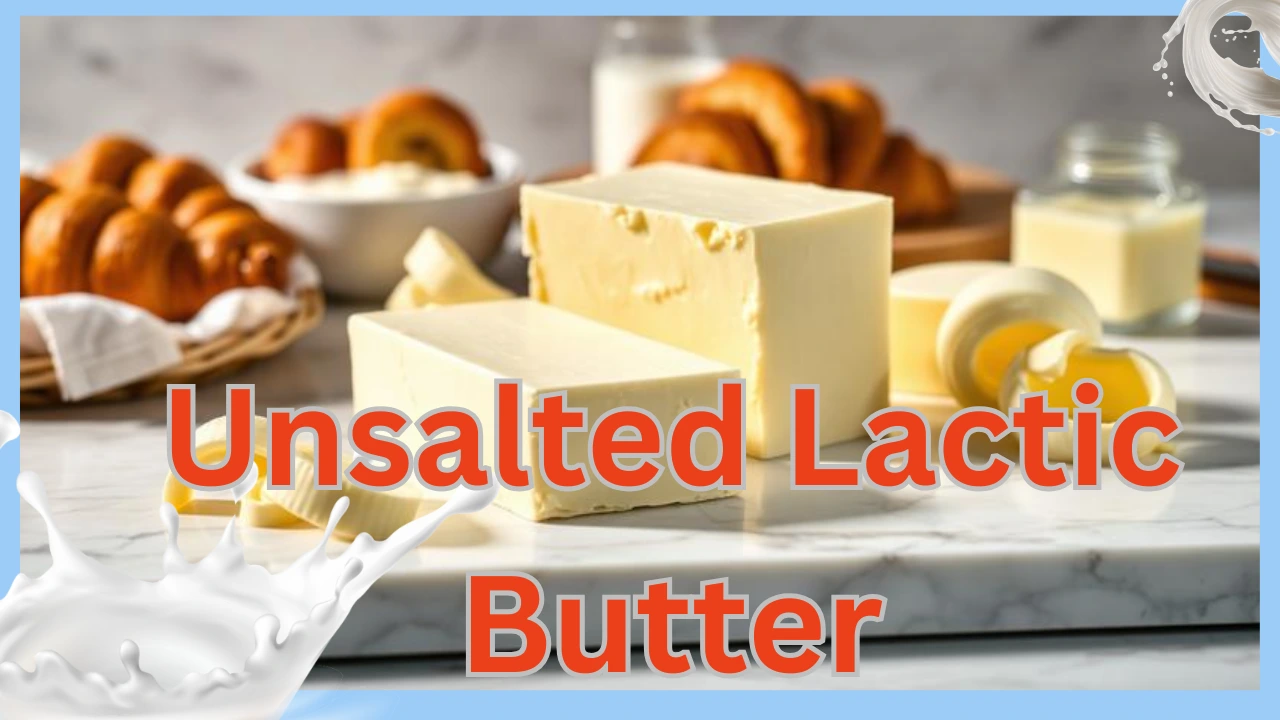
Unsalted lactic butter is a cultured, high-fat butter prized by professional bakers, chefs and food manufacturers for its tangy, complex flavor and reliable functional properties. In 2026 it continues to be an important ingredient for bakeries, food processors and dairy wholesalers looking for consistent quality and flavor control. This guide explains what unsalted lactic butter is, its advantages, common uses (including in mozzarella and other dairy-adjacent applications), sourcing options and how prices are behaving in 2026 — plus tips for buying unsalted butter bulk for your business.
What is unsalted lactic butter?
Unsalted lactic butter (often called cultured or European-style butter) is made by fermenting cream with lactic cultures (or allowing cream to acidify slightly) before churning. That fermentation develops lactic (tangy) flavor notes and changes the butter’s texture and melting behavior compared with sweet cream (non-cultured) butter. Unsalted lactic butter typically has a high butterfat percentage (around 82% or higher for many industrial grades), making it stable and rich for professional uses.
Key benefits of unsalted lactic butter
Flavor control and depth — The lactic fermentation creates nuanced, tangy flavors that enhance pastries, laminated doughs and upscale bakery items without adding salt. Food manufacturers often select unsalted lactic butter to control seasoning downstream in recipes.
Consistent fat and moisture — High and consistent butterfat (commonly ~82%) yields predictable performance in baking, frying and laminating (croissants, puff pastry).
Longer shelf/handling advantages for industry — Unsalted bulk packs for B2B let manufacturers add salt later in formulation, help with export requirements, and reduce variability.
Versatility across product lines — Works for unsalted sweet cream butter applications, from table butter to industrial bakery sheets.
Common uses (where unsalted lactic butter shines)
Baking & patisserie: Laminated doughs, shortcrusts, brioche and high-end cakes benefit from the tang and structure of lactic butter.
Industrial baking & foodservice: Bulk blocks and sheets speed production while delivering consistent melting and flavor.
Cheese-related operations & pizza/milk-based products: While butter isn’t an ingredient in traditional mozzarella cheese, bakeries and food manufacturers that make pizza, filled breads or dairy blends often use unsalted lactic butter to enrich doughs and fillings that will later be combined with mozzarella cheese or other cheeses — the butter enhances mouthfeel and browning without interfering with cheese salt levels. (Note: mozzarella is primarily made from curd; butter’s role is complementary in many dairy–bakery product lines rather than a direct cheese-making ingredient.) Interfood+1
Food product formulation: R&D teams prefer unsalted butter for precise sodium control in sauces, compound butters and finished goods. Kuber Global Group
Sourcing: unsalted lactic butter supplier & packaging options
When sourcing unsalted lactic butter, buyers typically choose among consumer retail packs, industrial 10–25 kg blocks, or IQF/sheeted butter for automated lines. Suppliers like Kuber Dairy Group market targeted B2B products and export-ready bulk options for bakeries and food manufacturers. If you need consistent bulk supply, request certificates for butterfat, moisture, microbial tests and export documentation when relevant.
Tips for choosing a supplier
Ask for detailed product specs (fat %, moisture, acidity, culture strain where applicable).
Request traceability and food-safety certifications (HACCP, ISO, or equivalents).
If you make cheese or mozzarella in-house, verify that the butter’s production process won’t introduce off-flavors to your dairy lines.
Unsalted butter price — market snapshot for 2026
Global butter markets experienced volatility in 2024–2025 due to changing milk supply/demand dynamics; reports indicate oversupply in some regions and pressure on prices into 2025–2026. Market platforms that track dairy commodity prices (e.g., GlobalDairyTrade and regional market reports) show price swings dependent on origin (EU, New Zealand, USA) and grade (table butter vs. industrial lactic butter).
In India, retail and bulk prices vary by brand and packaging — commercial 20-kg bulk packs and industrial blocks are commonly priced below retail per-kilogram rates, making unsalted butter bulk purchases attractive for foodservice and manufacturing. For example, aggregated Indian retail listings and B2B vendors show per-kg retail equivalents that range widely depending on brand and offer; bulk buyer pricing will typically be lower, but depends on order size and export duties. Always request a current formal quote from suppliers like Kuber Dairy Group or local distributors to get accurate unsalted butter price for your quantity and destination.
Price-buying checklist (practical)
Get quotes for the exact product: “unsalted lactic butter, 82% fat, 20 kg block” — different fat % and pack sizes change prices significantly.
Ask about minimum order quantity (MOQ), lead time, refrigeration requirements and shelf-life.
Include transport and cold-chain costs in landed-price calculations for imports.
Compare local cooperative brands vs. exporters (EU/NZ/US) — origin affects flavor, regulatory paperwork and cost.
Why businesses choose Kuber Dairy Group (example supplier)
Kuber Dairy Group positions itself as a global supplier for dairy B2B needs—offering unsalted lactic butter tailored for bakeries and processors, export packaging and documentation for international buyers. If you’re sourcing unsalted lactic butter supplier options, companies that provide technical support and consistent analytical data (fat/moisture/acidity) will reduce formulation risks.
Final thoughts & buying recommendation
Unsalted lactic butter is a specialist B2B ingredient that brings flavor complexity, dependable functional performance and formulation flexibility. For bakeries, food manufacturers and product developers working with mozzarella cheese or other dairy lines, selecting a consistent unsalted butter bulk supplier and negotiating based on precise specs will deliver the best cost-to-quality outcome. In 2026, watch regional commodity indexes and request up-to-date quotes — market-wide oversupply in 2025 produced downward pressure on prices in many regions, but landed costs depend heavily on origin, packaging and cold-chain logistics.