
wholesale processed cheese exporter

27

Aug
  • Vidhi Brahmbhatt

Why Food Manufacturers Prefer Unsalted Lactic Butter

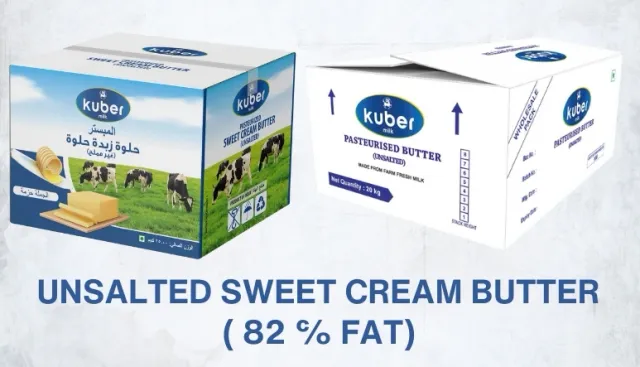
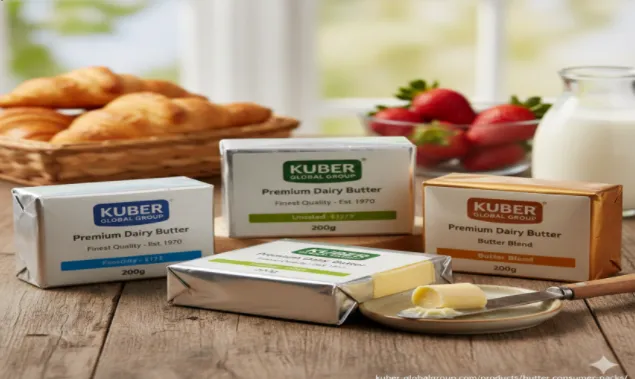
In the intricate world of food production, every ingredient counts. When it comes to butter, food manufacturers consistently turn to unsalted lactic butter—a high-quality variant that offers superior flavor control, longer shelf life, and unmatched consistency. In this article, we explore why unsalted butter—particularly in its unsalted sweet cream butter and unsalted butter forms—is a staple in the industry. We also explain why purchasing from a trustworthy unsalted lactic butter supplier and combining bulk volume savings of unsalted butter bulk with added synergy from partnerships like a wholesale processed cheese exporter can make all the difference.

What Is Unsalted Lactic Butter?

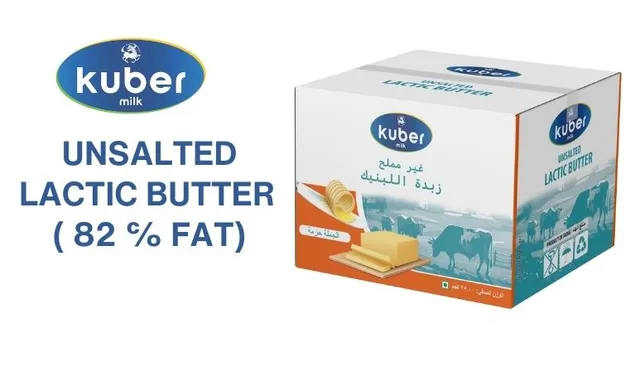
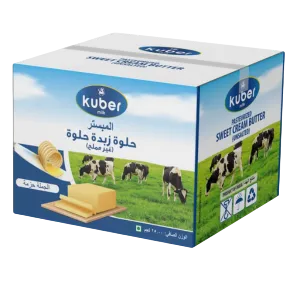
Unsalted lactic butter is crafted using lactic fermentation rather than solely relying on heat or bacteria-free creams. This gives it a distinct, tangy, and creamy flavor profile compared to standard unsalted butter. It’s typically made from cultured cream (also referred to as unsalted sweet cream butter), where lactose bacteria produce subtle lactic notes that enhance both aroma and taste.

This cultured process provides a more refined flavor—ideal for chefs and manufacturers who need tight control over the end product.

Why Food Manufacturers Prefer Unsalted Lactic Butter

1. Precision in Salt Control

Salted butter can introduce variations in recipe salinity, affecting flavor, texture, and even shelf stability. With unsalted butter, manufacturers maintain precise control over salt levels, essential for consistent product quality in baked goods, confectioneries, sauces, dressings, and more.

2. Superior Flavor Development

The lactic fermentation imparts a nuanced tanginess and complexity to the butter, elevating the flavor profile of finished products—from pastries to savory sauces. This makes unsalted sweet cream butter a preferred choice for brands seeking a premium taste experience.

3. Extended Shelf Life

Without added salt, unsalted butter relies on its lower moisture and natural acidity to delay spoilage, especially when stored properly. For products with sensitive temperature ranges or long production cycles, this attribute ensures stability and consistency.

4. Versatility Across Applications

Whether it’s laminated dough, frostings, confections, or industrial melts, unsalted lactic butter works across a spectrum of applications, mixing easily, and reacting predictably under different heat and pH environments.

Bulk Procurement Advantages: Unsalted Butter Bulk & Supplier Relationships

Cost Efficiency

Buying unsalted butter bulk offers economies of scale. Reduced per-unit costs—especially when coordinated through an unsalted lactic butter supplier—streamline procurement and budget planning for manufacturers.

Reliable Supply Chain

Partnering with a dedicated unsalted butter supplier ensures supply continuity, product traceability, and compliance with food safety standards such as HACCP or FSSC 22000. These suppliers typically offer certifications and testing documentation, vital for meeting regulatory requirements.

Customized Packaging & Logistics

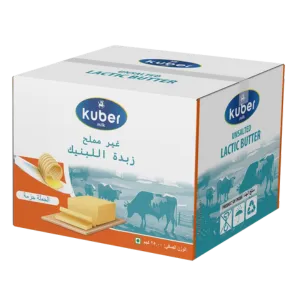
Suppliers often offer tailored packaging—blocks, slabs, or bulk tubs—along with cold-chain logistics services. This flexibility supports seamless integration into manufacturer workflows.

Strategic Synergy with Wholesale Processed Cheese Exporters

Manufacturers often source multiple dairy inputs: butter for richness and flavor, and processed cheese for texture and shelf life. Collaborating with a wholesale processed cheese exporter alongside an unsalted lactic butter supplier enables more streamlined operations:

  • Consolidated Orders & Logistics: Shipping combined dairy goods reduces freight costs and handling time.
  • Negotiated Pricing: Bulk contracts combining unsalted butter bulk and processed cheese can yield better pricing tiers.
  • Cross-Quality Assurance: Vendors familiar with dairy compliance protocols ensure consistency across products.

This synergy allows manufacturers to optimize their supply chains while focusing on product development and innovation.

Product Applications That Shine with Unsalted Lactic Butter

Bakery Products & Pastries

From croissants to Danish, precise butter layering is vital. The clean, cultured notes of unsalted lactic butter elevate aroma and flakiness, while neutral salt levels enable customized seasonings.

Confectionery & Chocolate Coating

The buttery tang adds depth to ganache and fillings. When pairing with chocolate, unsalted butter bulk sourced from reliable unsalted lactic butter suppliers ensures consistency in temper, melt, and taste.

Sauces, Dressings & Spreads

Classic sauces—think hollandaise, béchamel—or creamy dressings benefit from the rich flavor without the salinity of salted butter. Manufacturers can calibrate sodium levels to meet health regulations while retaining gourmet taste.

Dairy-Infused Products & Cheese-Based Goods

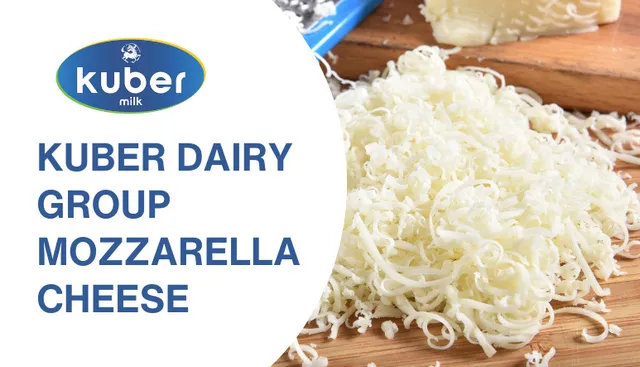
Blending with cream cheese, ricotta, or even wholesale processed cheese exporter products, unsalted sweet cream butter balances texture and flavor in dips, cheese spreads, and ready-to-eat offerings.

Frozen Treats

Ice creams and frozen desserts benefit from the creamy taste of cultured butter and the reduced risk of salt-induced crystallization, making unsalted lactic butter bulk a smart pick for large-scale dessert makers.

How to Choose a Good Unsalted Lactic Butter Supplier

1. Check Certifications

Reliable suppliers will have GMP, HACCP, ISO, or FSSC certifications and provide certificates of analysis (COAs) to verify fat content, microbiological safety, and absence of off-flavors.

2. Product Quality & Consistency

Request samples and conduct lab testing for flavor, moisture, and melt profile. A trusted unsalted lactic butter supplier should deliver consistent batches.

3. Logistics & Cold-Chain Integrity

Ensure the supplier has robust cold-chain procedures, refrigerated warehousing, and real-time tracking—especially important for unsalted butter bulk, which is prone to temperature-induced degradation.

4. Customization & Support

Top-tier suppliers offer flexible packaging, private labeling, and technical support, helping manufacturers tweak formulations or adapt volumes.

Market Trends & Growing Demand

With consumers increasingly seeking clean-label and artisanal-quality foods, butter with cultured flavor is rising in demand. Manufacturers capitalize on this by:

  • Highlighting natural, no-additive flavor notes of unsalted lactic butter
  • Claiming “no added salt” or reduced sodium options thanks to unsalted butter bulk
  • Aligning with healthy, gourmet positioning—particularly when unsalted sweet cream butter is featured in final packaging

Furthermore, integrated sourcing models with functions such as wholesale processed cheese exporter partnerships allow manufacturers to react swiftly to market trends, such as limited-edition flavors or regional specialties.

Conclusion

The many advantages of unsalted lactic butter—from flavor sophistication and precise salt control to longevity and versatility—explain why food manufacturers confidently prefer it over standard butter options. When combined with strategic procurement practices like buying unsalted butter bulk, maintaining steady relationships with an unsalted lactic butter supplier, and syncing with wholesale processed cheese exporter partnerships, manufacturers can elevate both product quality and operational efficiency.

Visit:- Kuber Global Group